Dialed Color
15 signals · 5 models · 27 archetypes

SBTI personality test

A meme-native personality test with a structured scoring spine. Answer 30 prompts to map 15 behavioral signals, then get an archetype card, share code, and Big Five-informed reading. No account, local calculation.

30 core prompts · 1 visible gate · 1 hidden trigger · local scoring
View 27 types
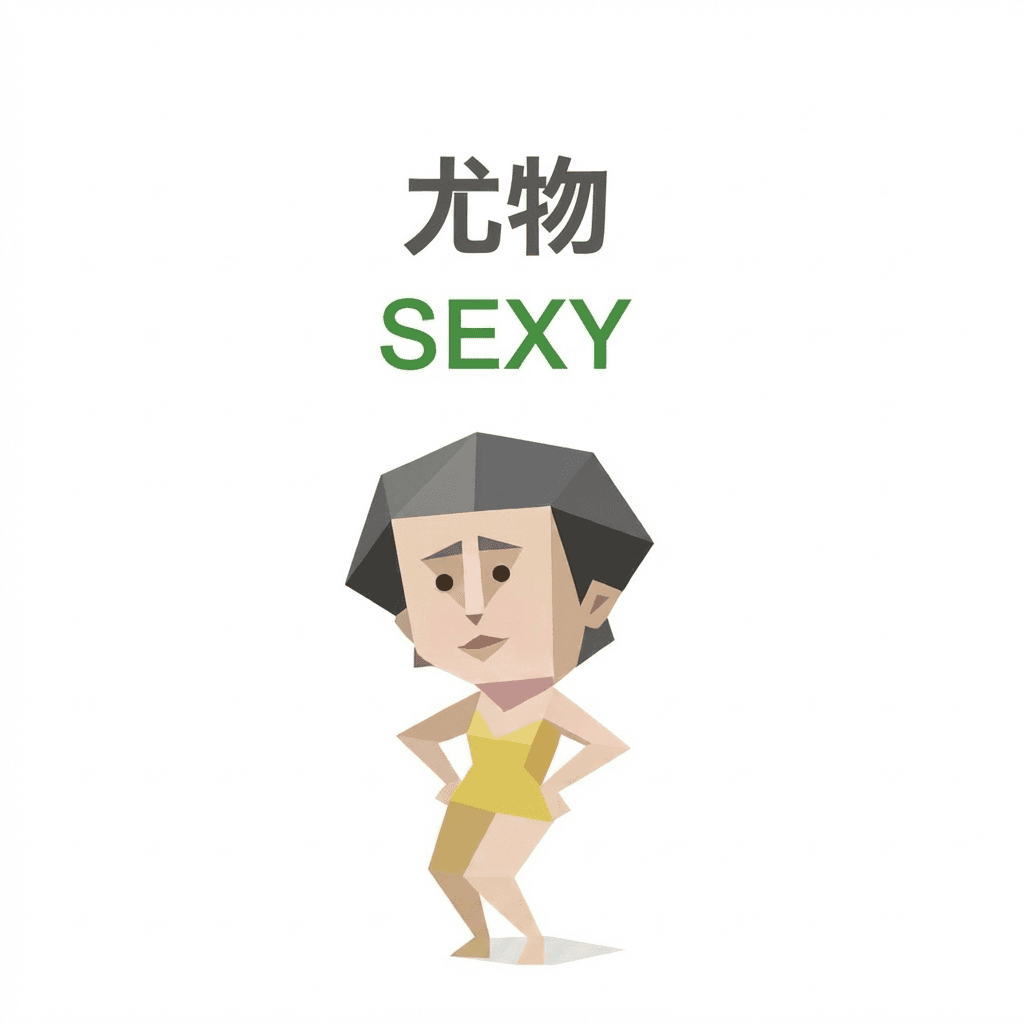
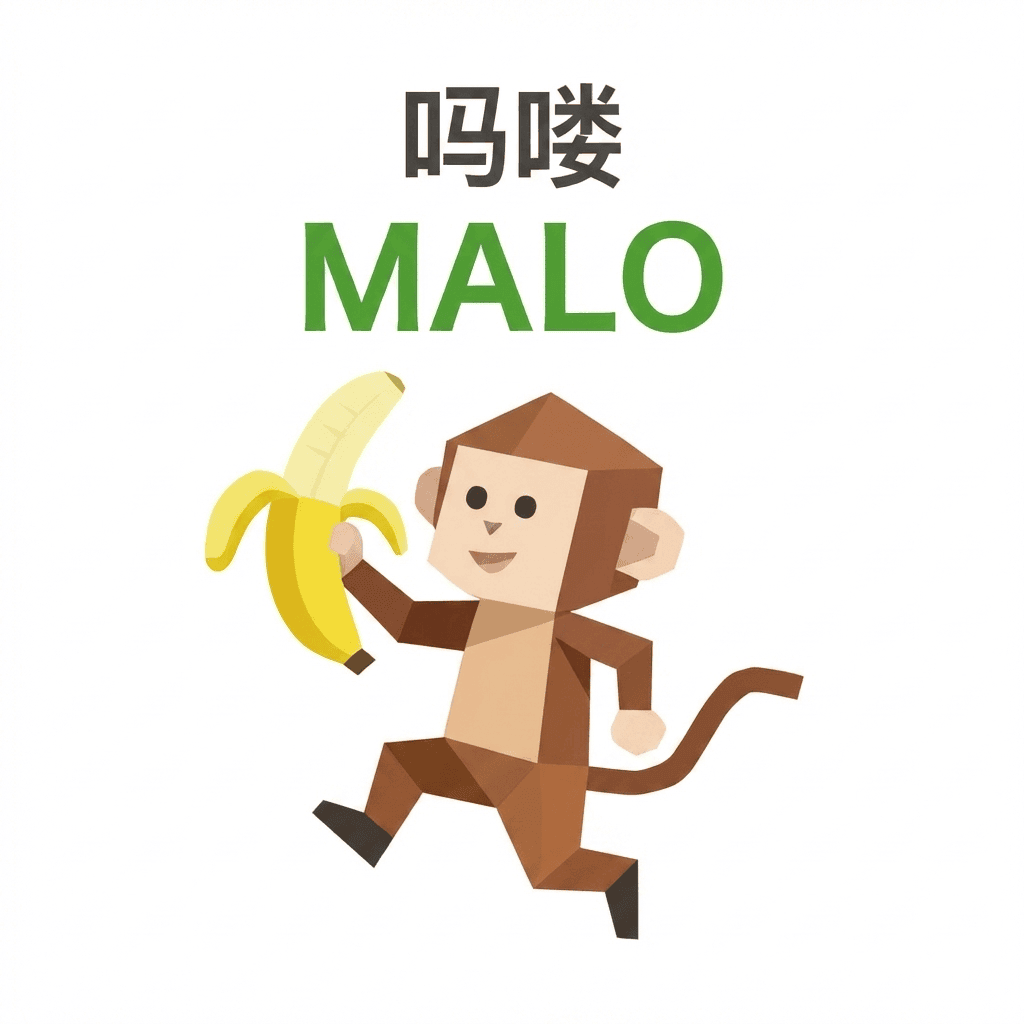
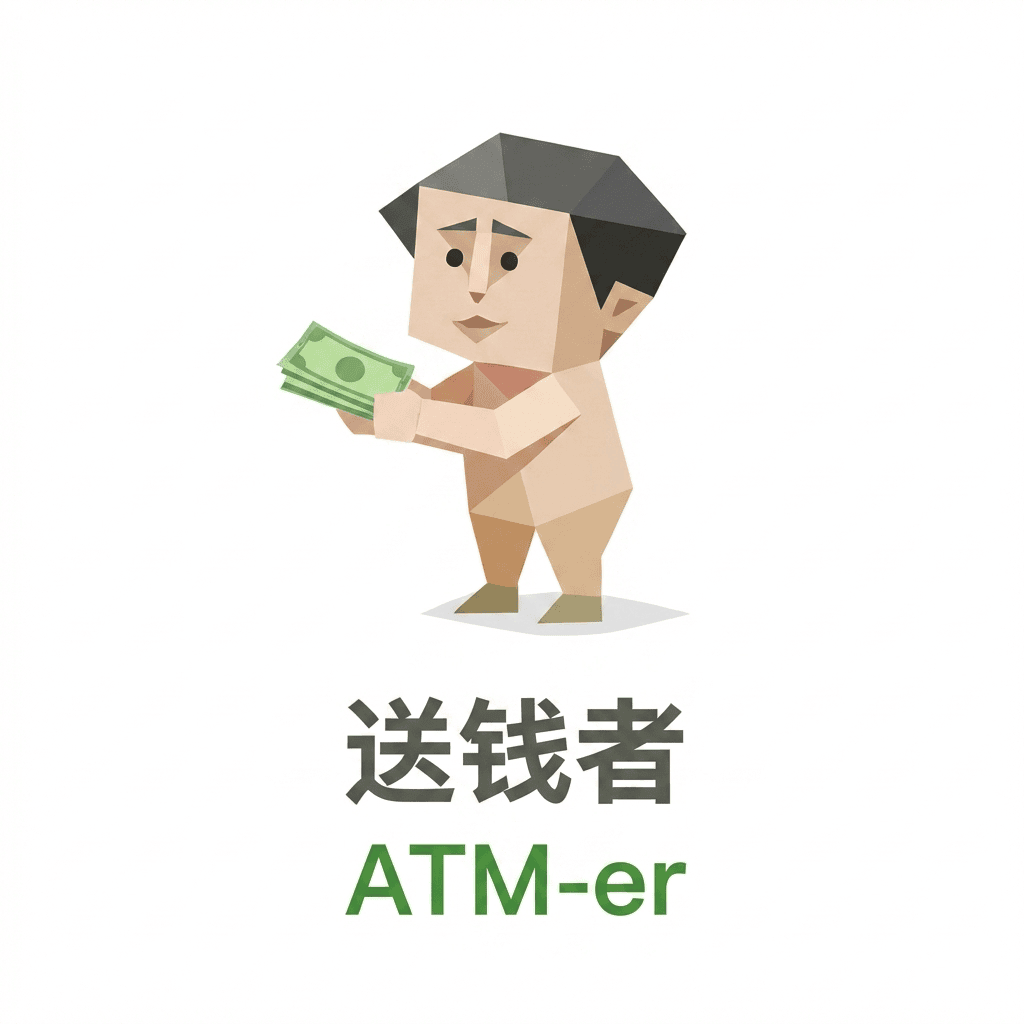
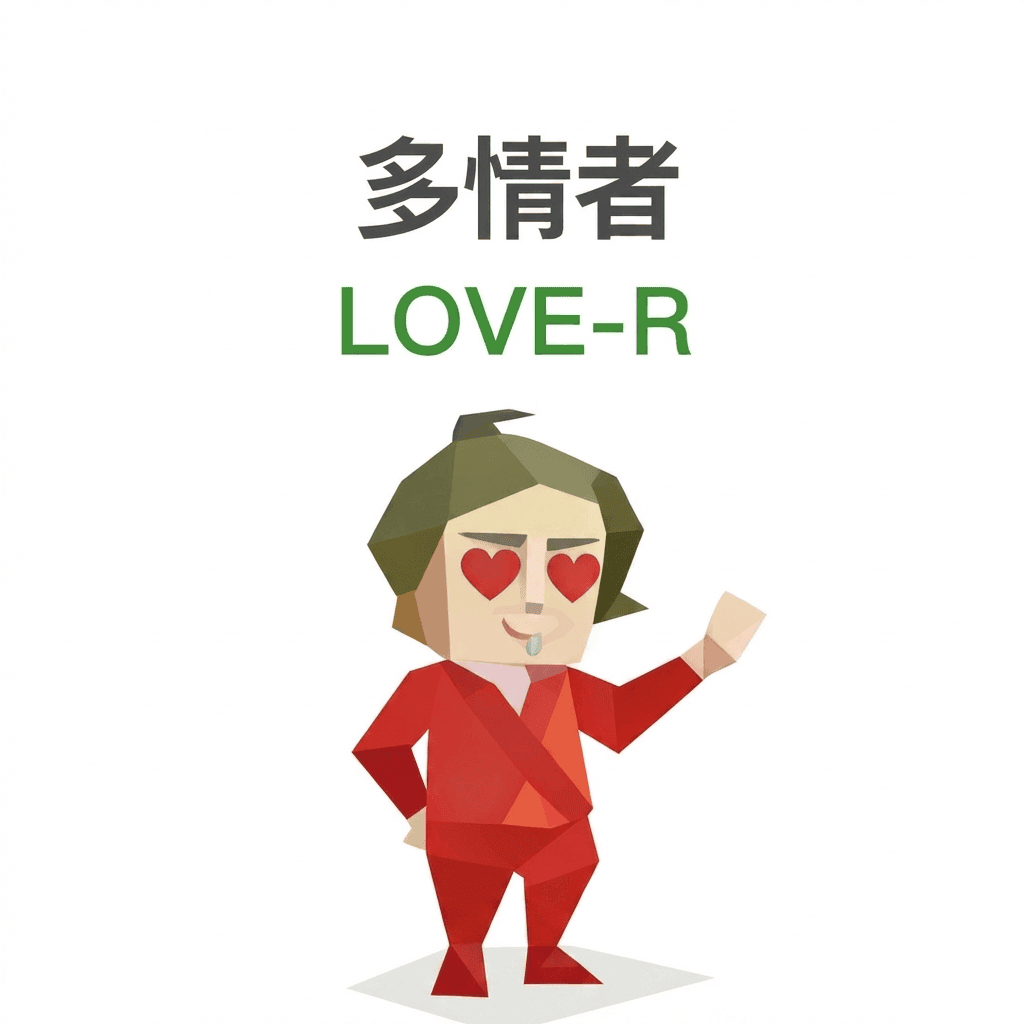
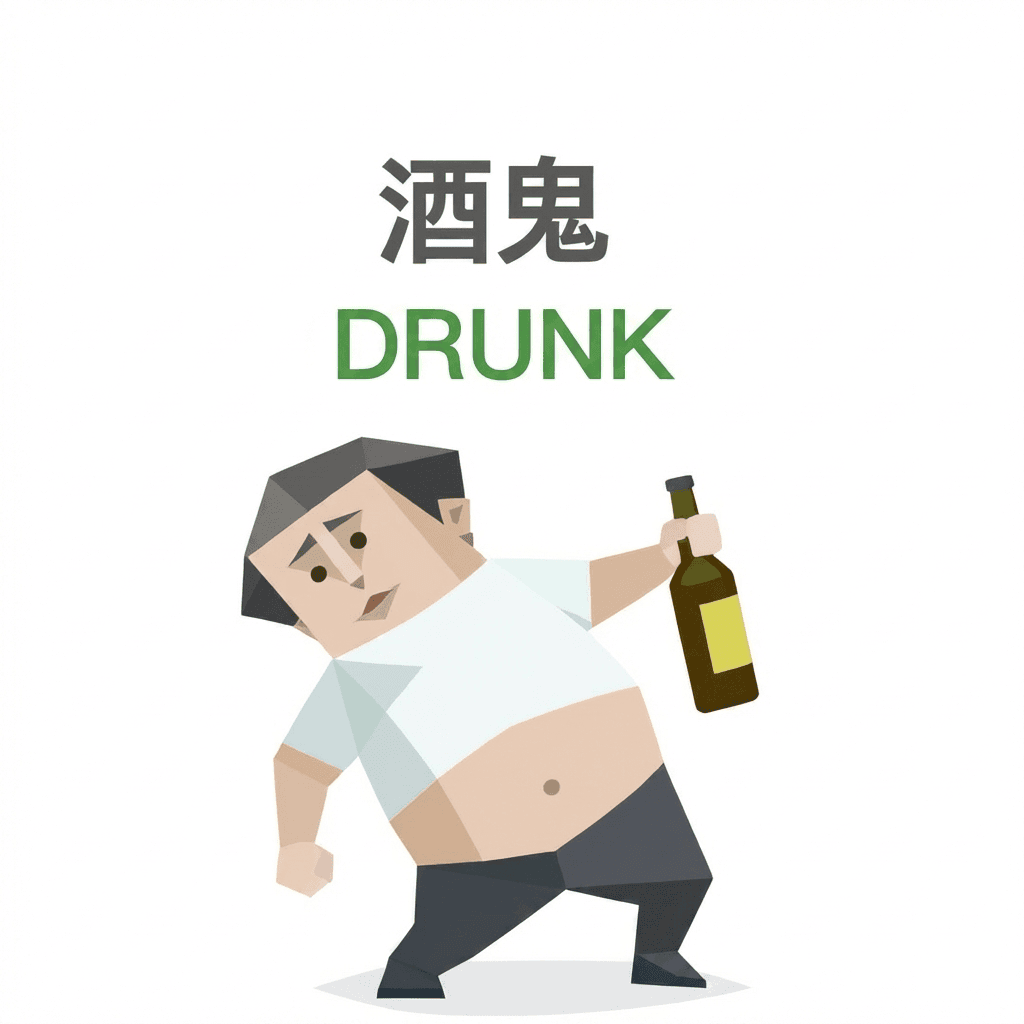
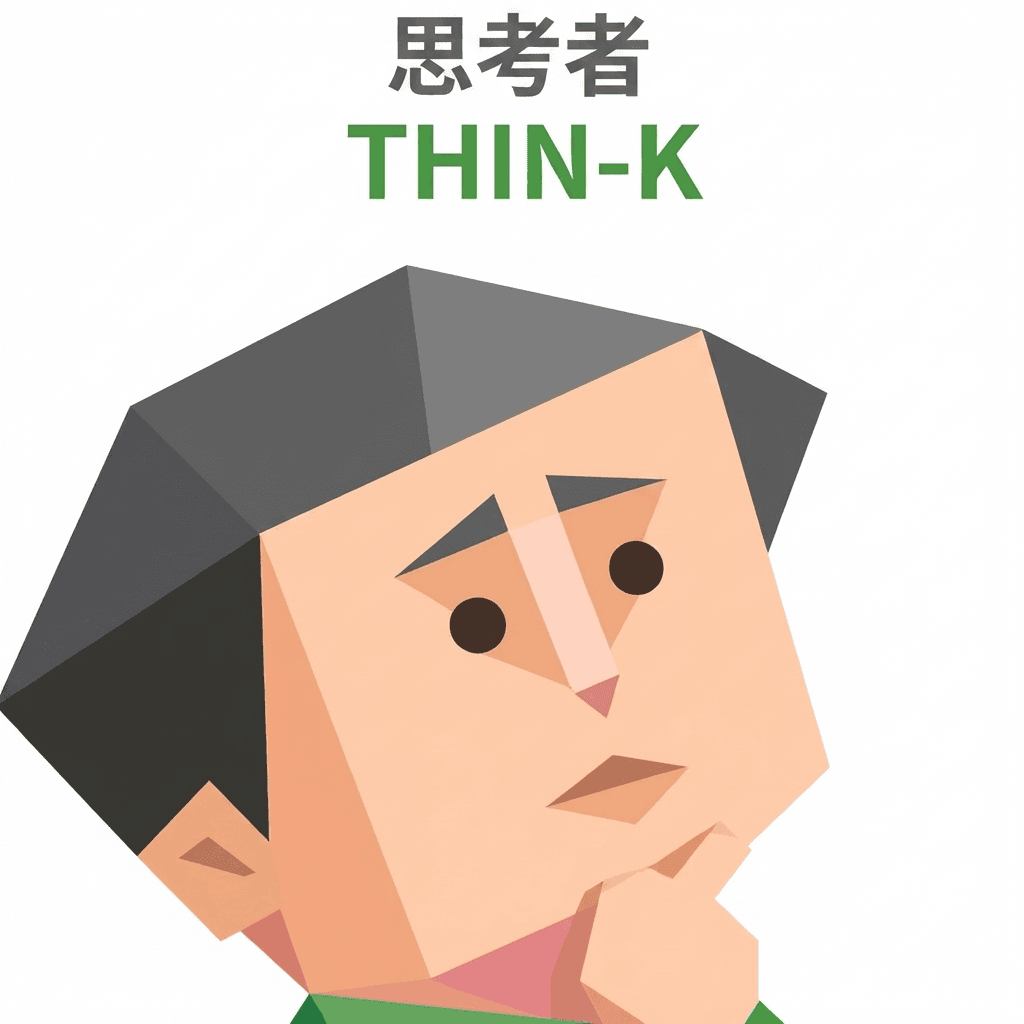
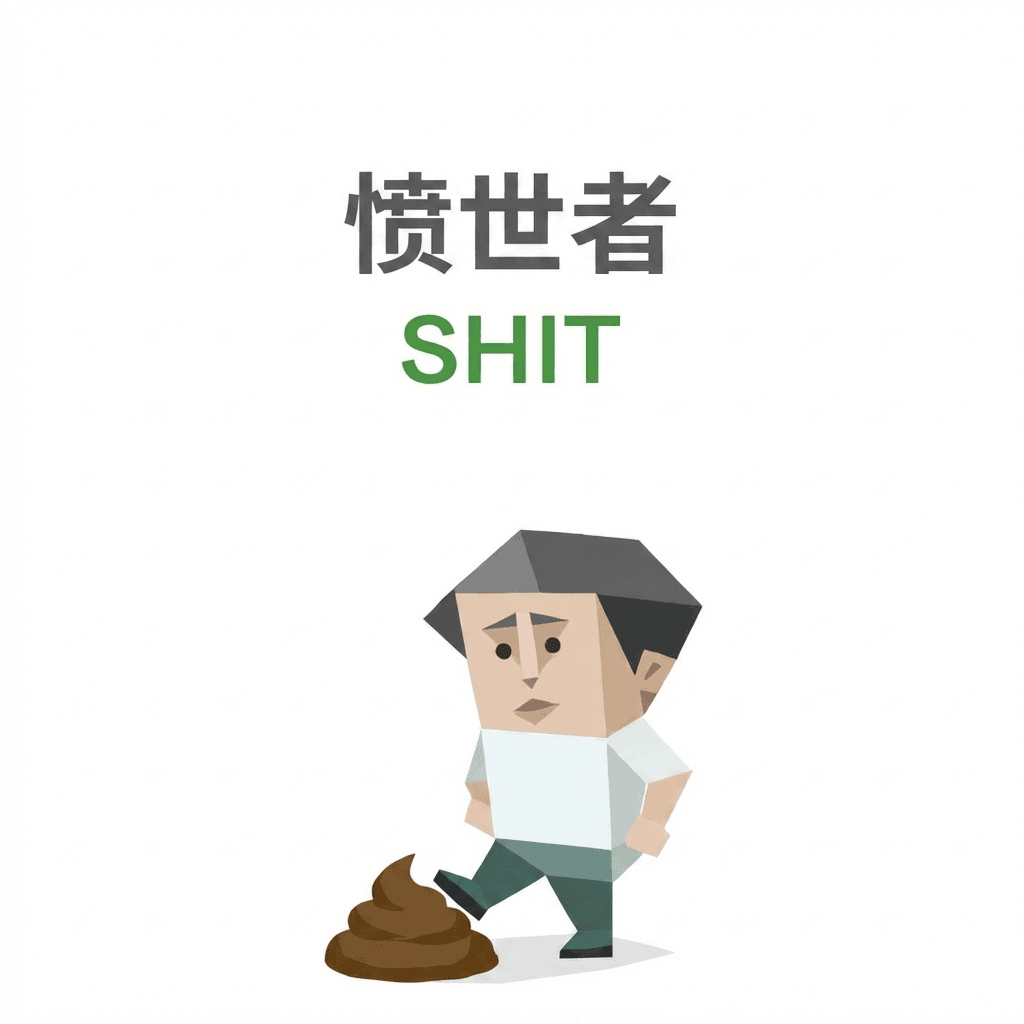
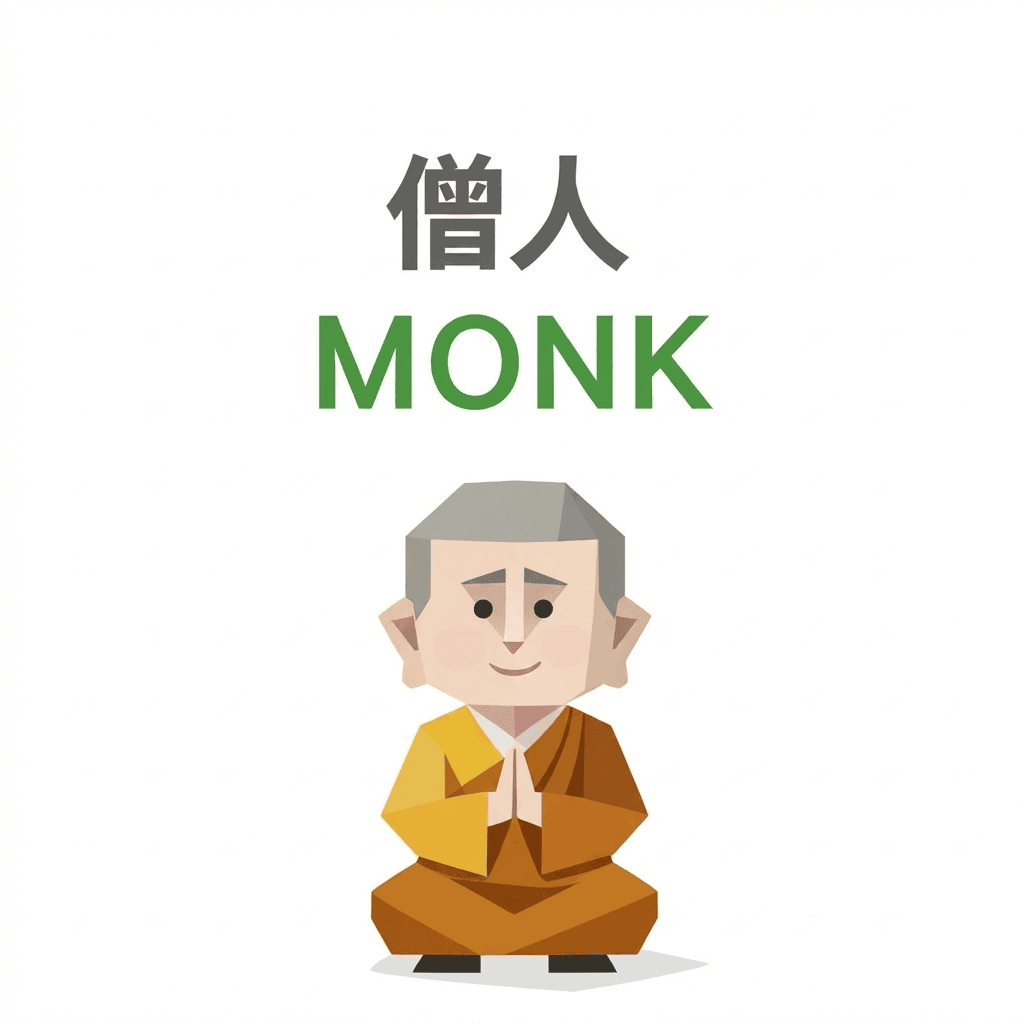
CTRLarchetypeSEXYarchetypeMALOarchetypeATM-erarchetypeLOVE-RarchetypeDRUNKarchetype
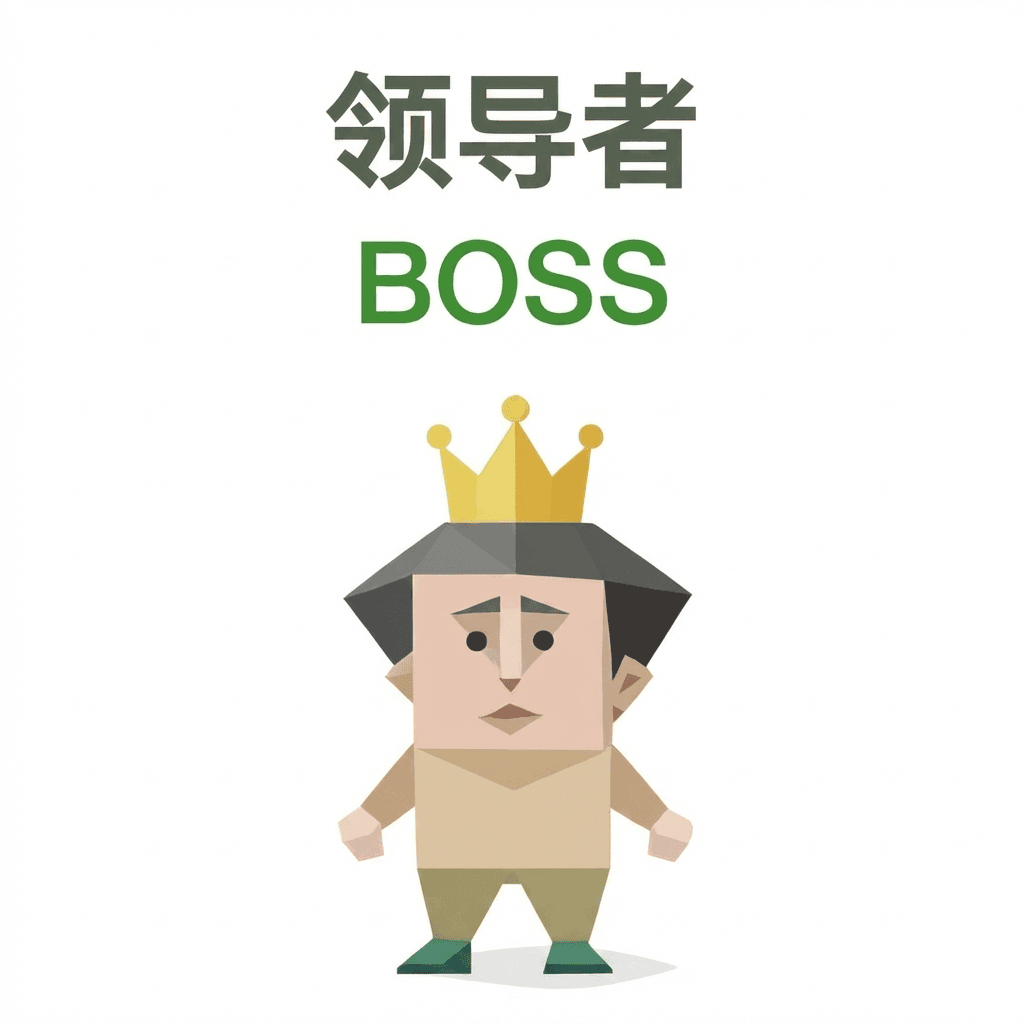
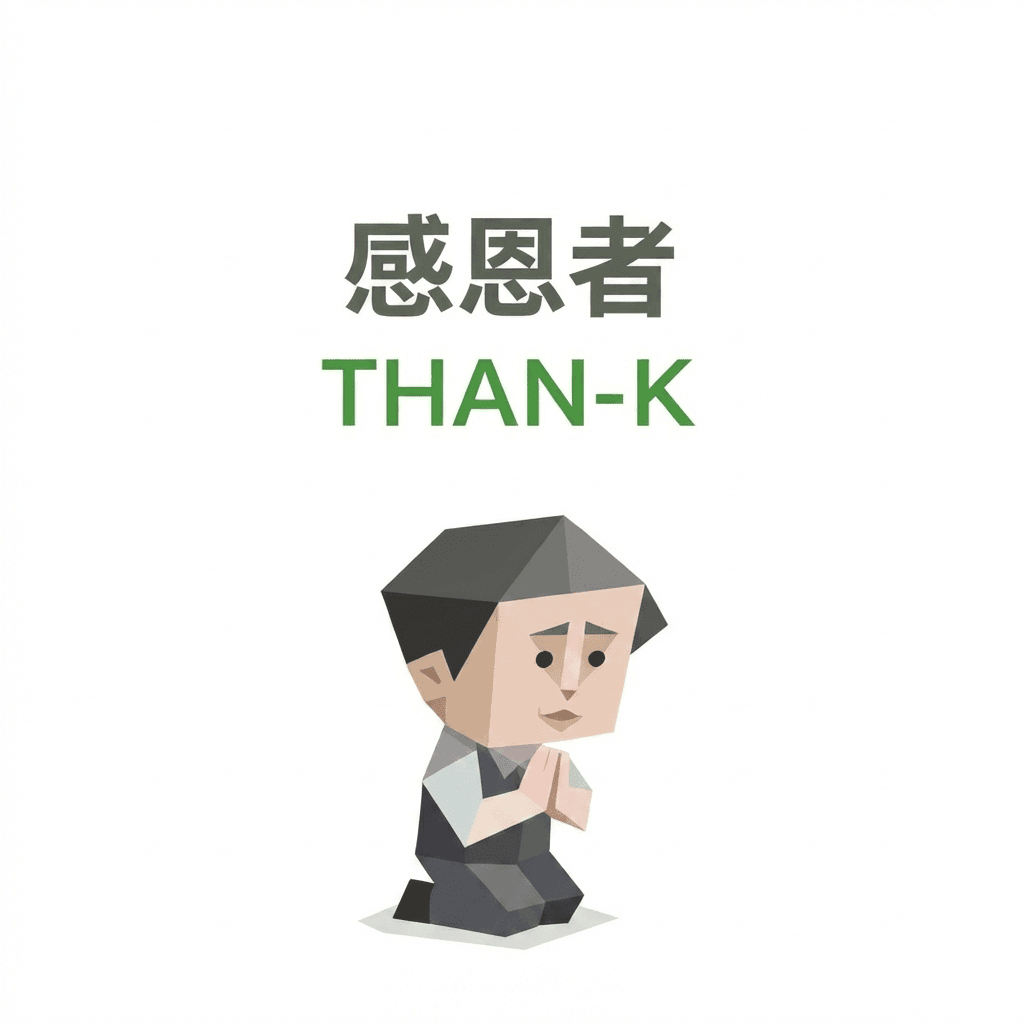
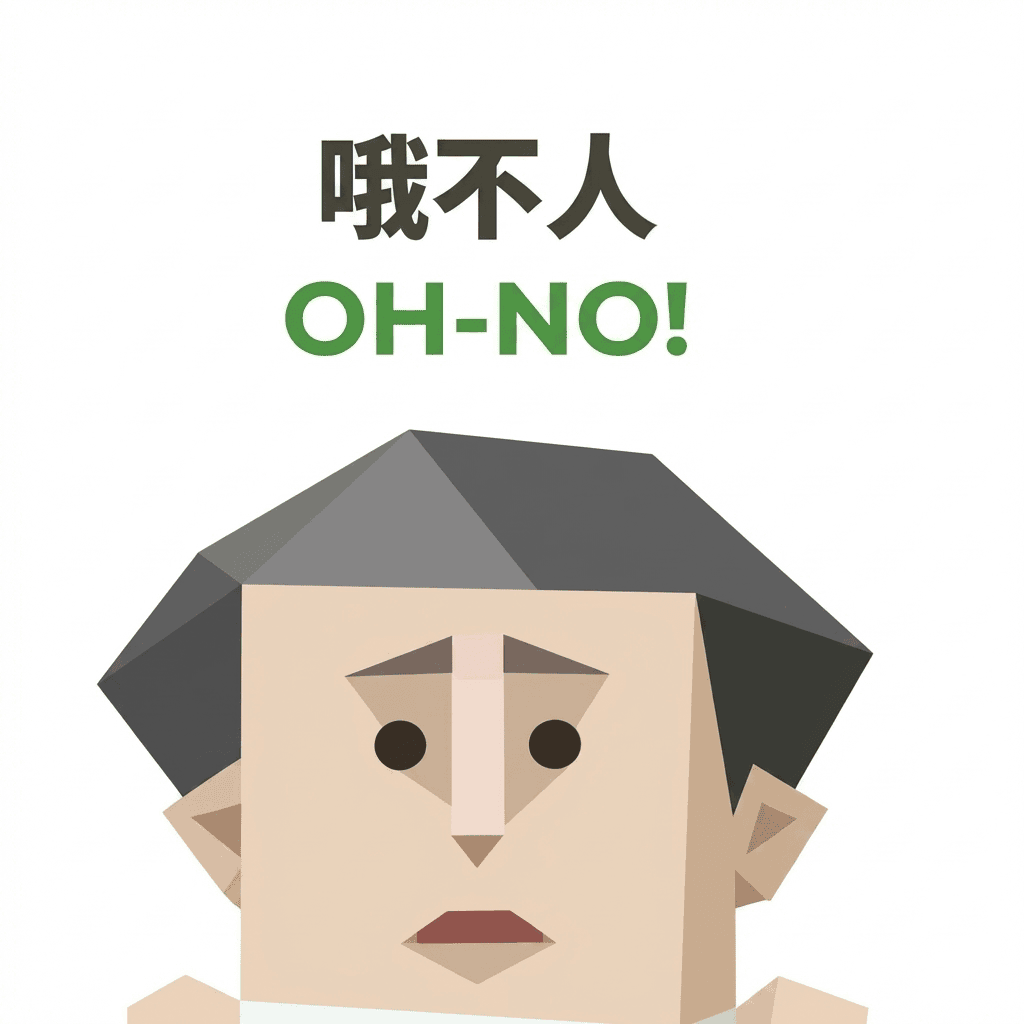
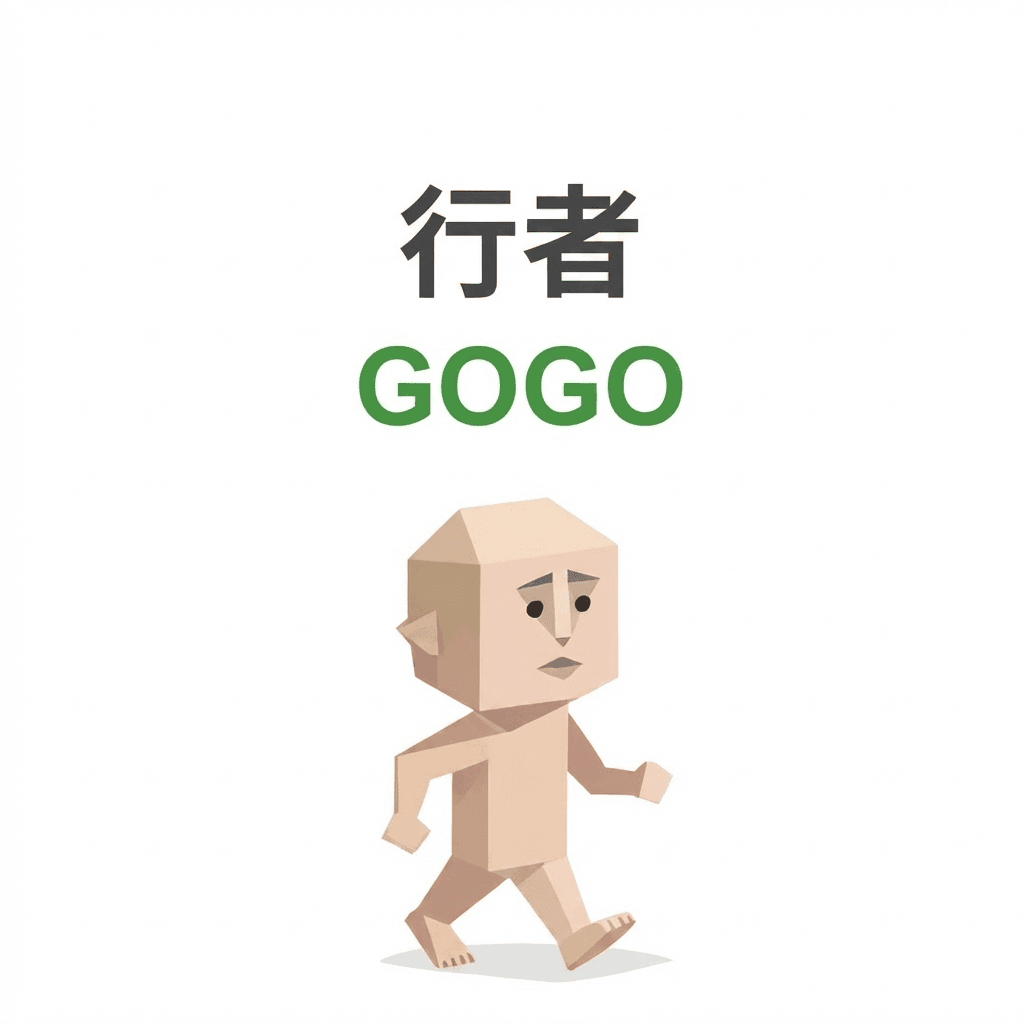
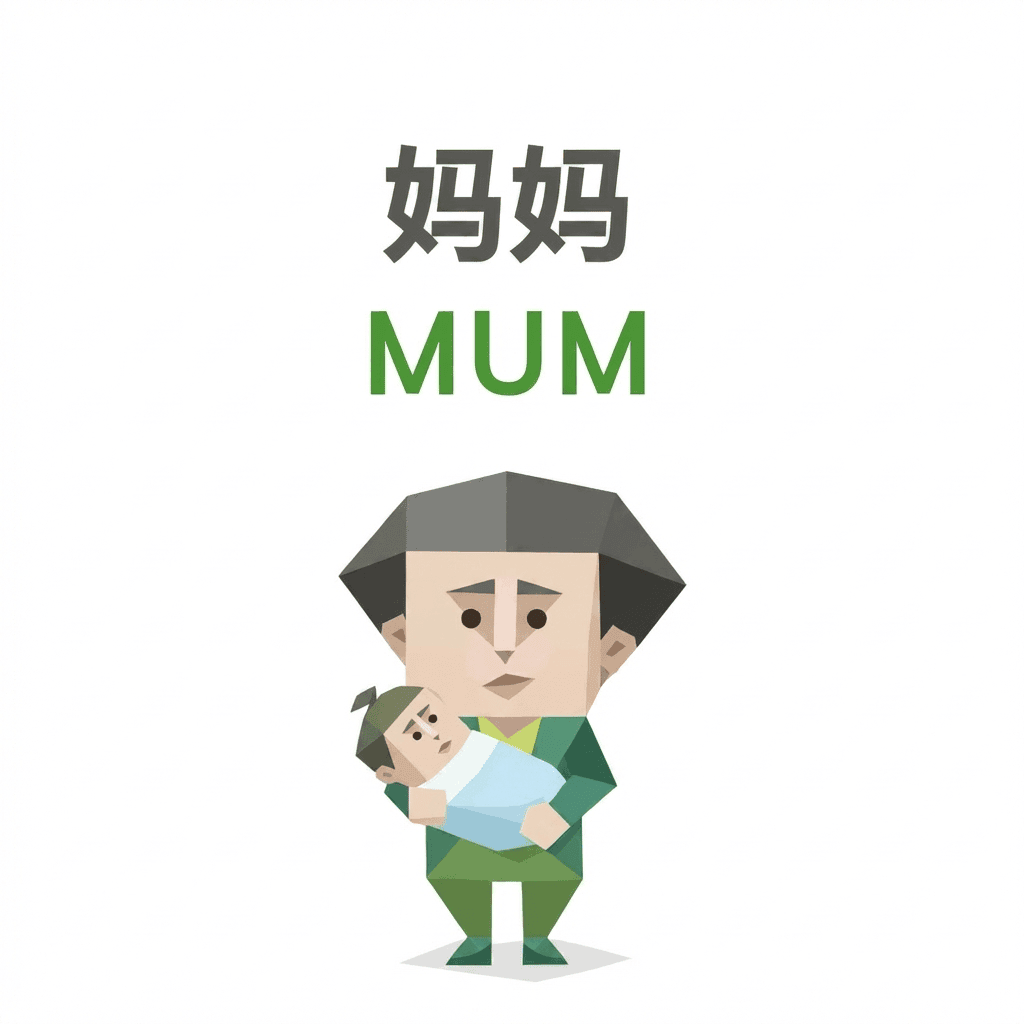
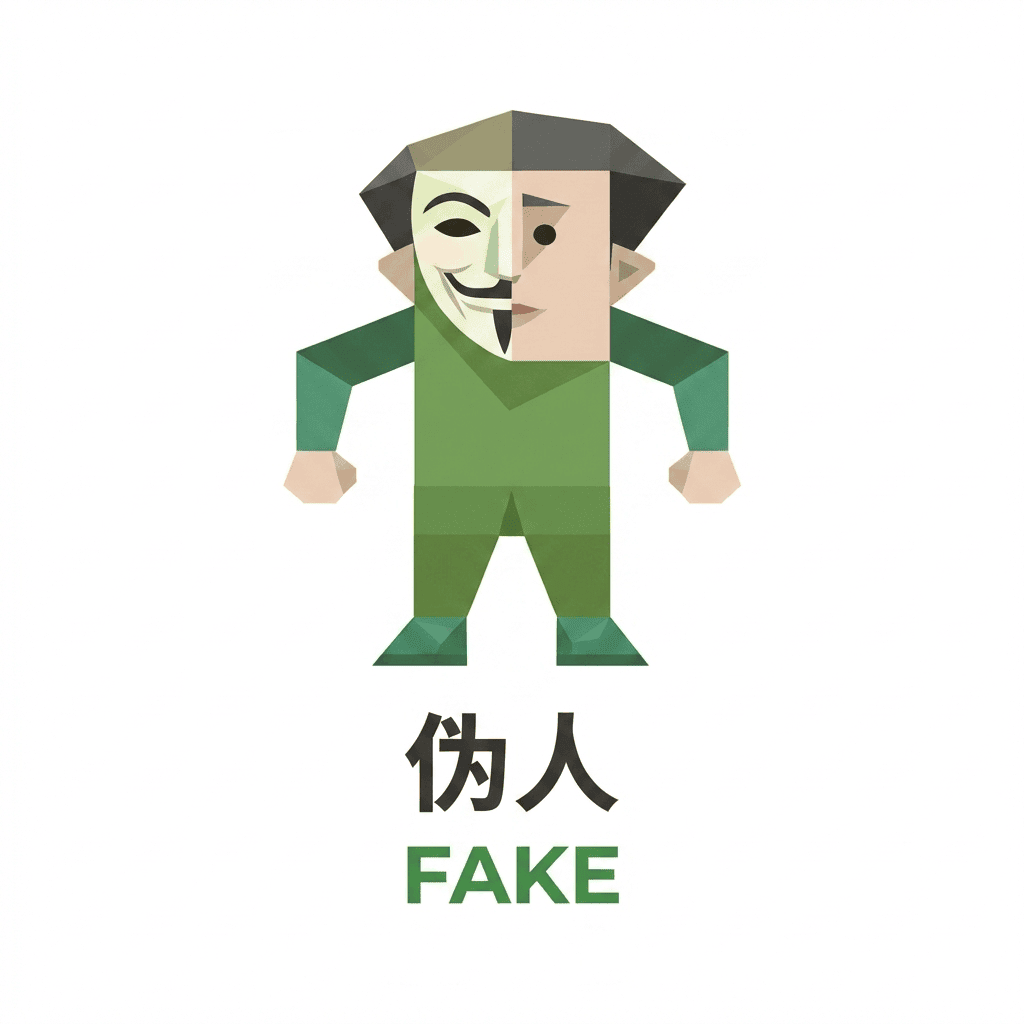
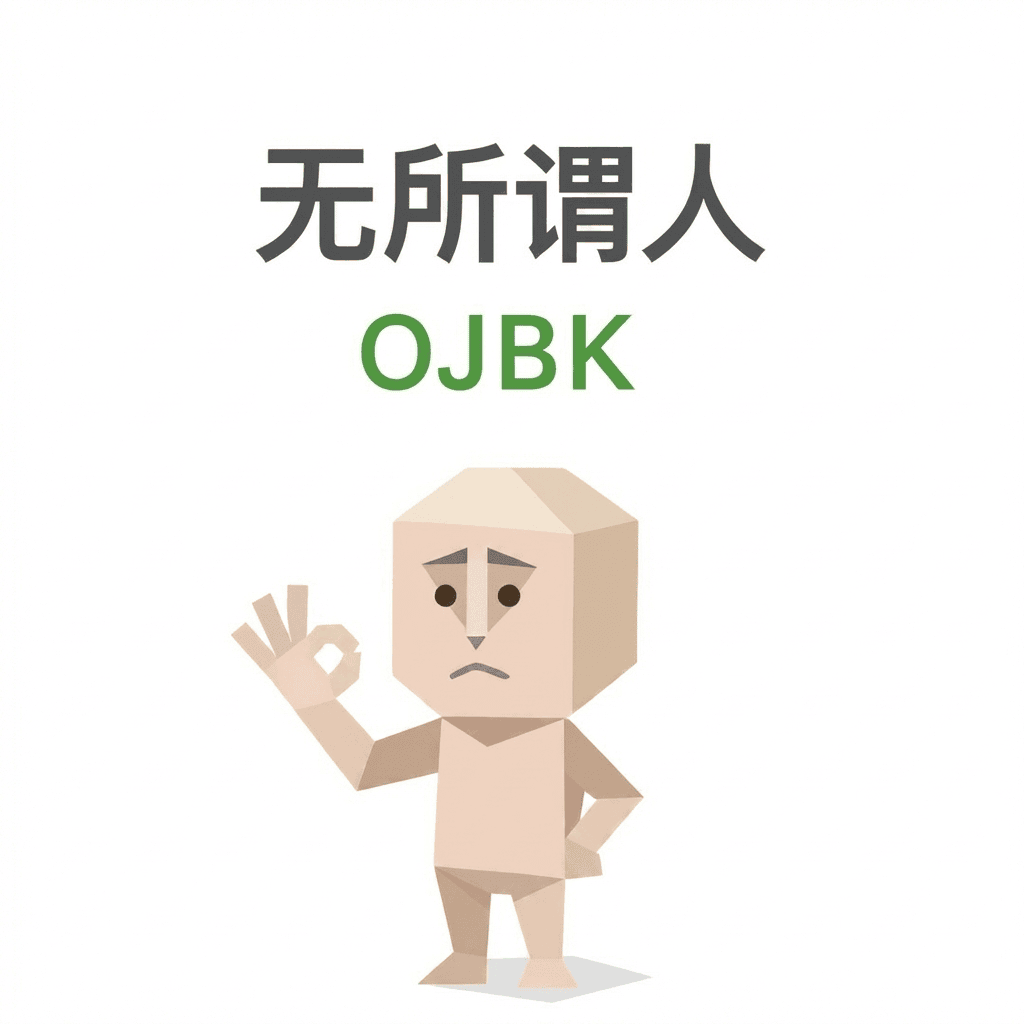
CTRLATM-erDior-sBOSSTHAN-KOH-NOGOGOSEXYLOVE-RMUMFAKEOJBK
Popular type preview27 types
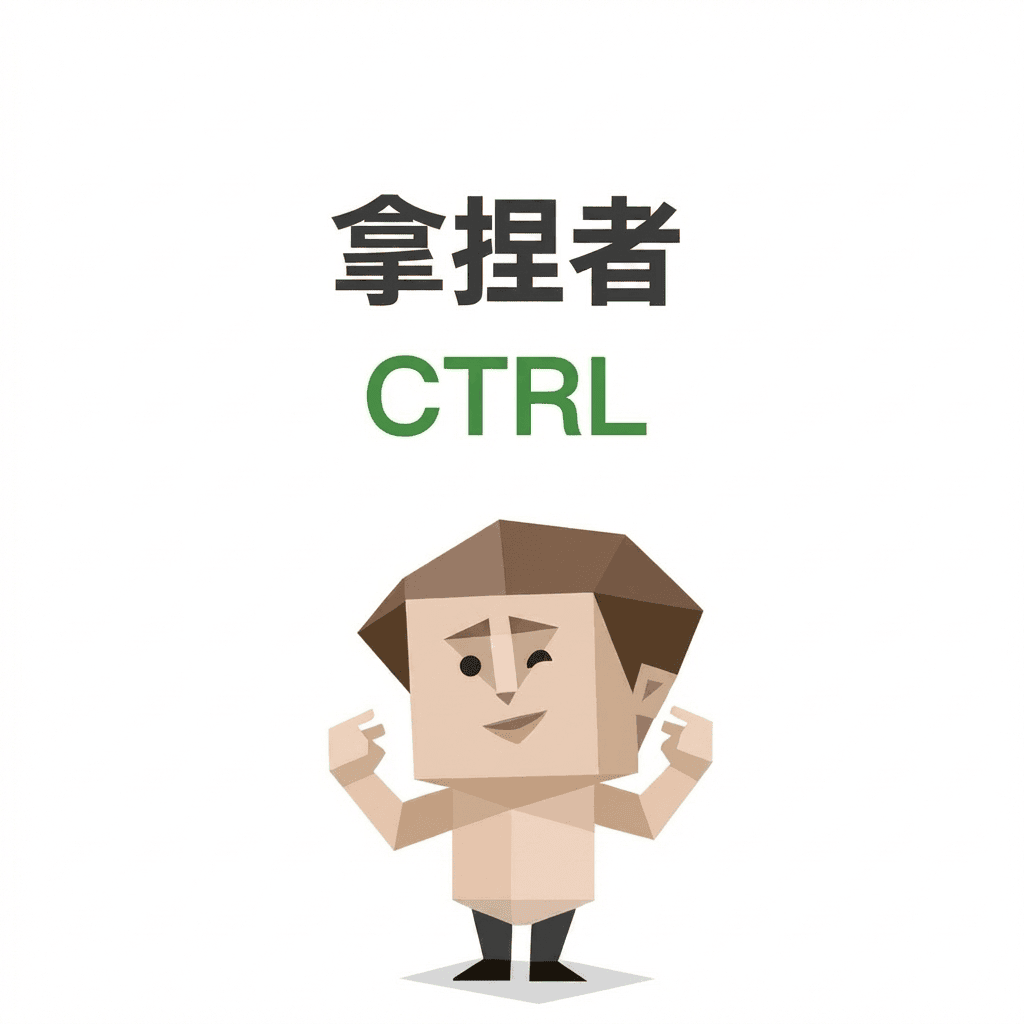
SBTI CTRL archetype
1CTRL·archetype

Matched from the same 15-signal SBTI pattern.

SBTI SEXY archetype
2SEXY·archetype

Matched from the same 15-signal SBTI pattern.

SBTI MALO archetype
3MALO·archetype

Matched from the same 15-signal SBTI pattern.

SBTI ATM-er archetype
4ATM-er·archetype

Matched from the same 15-signal SBTI pattern.

SBTI LOVE-R archetype
5LOVE-R·archetype

Matched from the same 15-signal SBTI pattern.

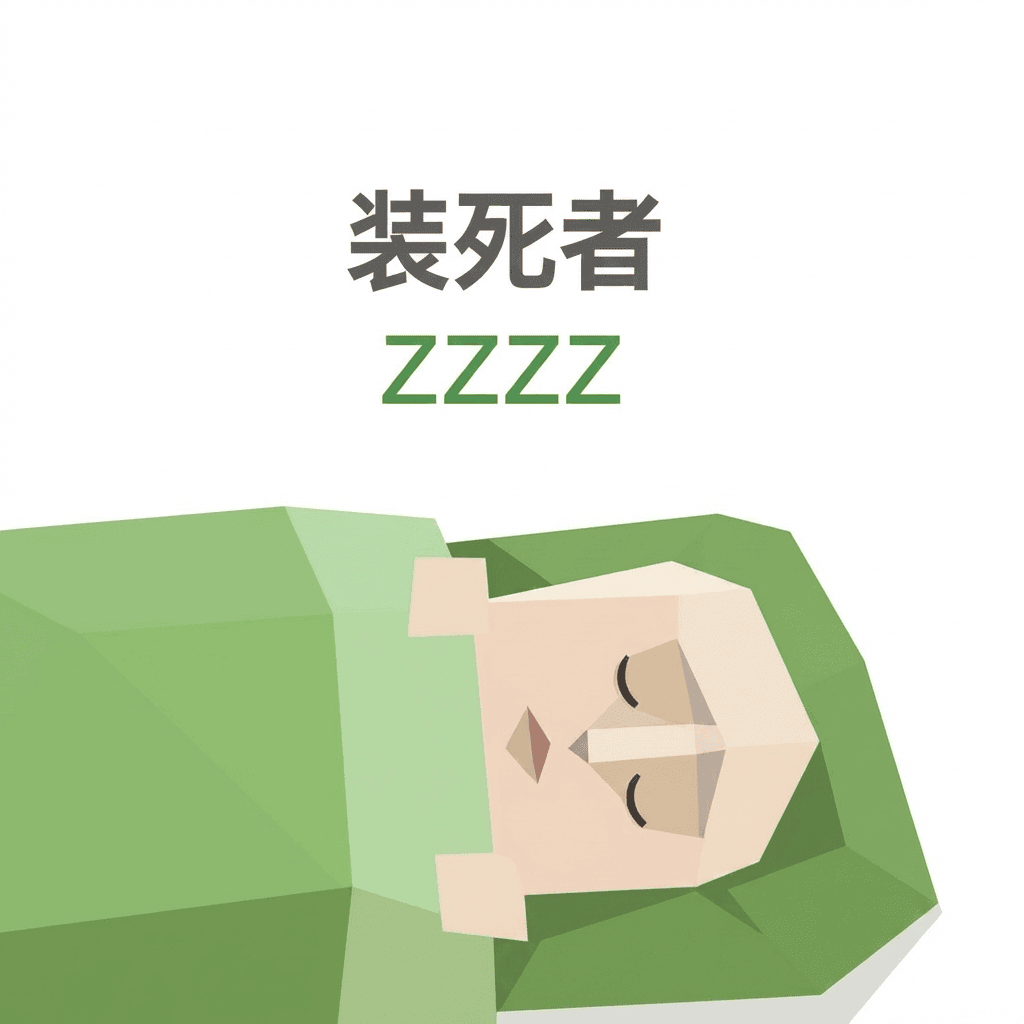
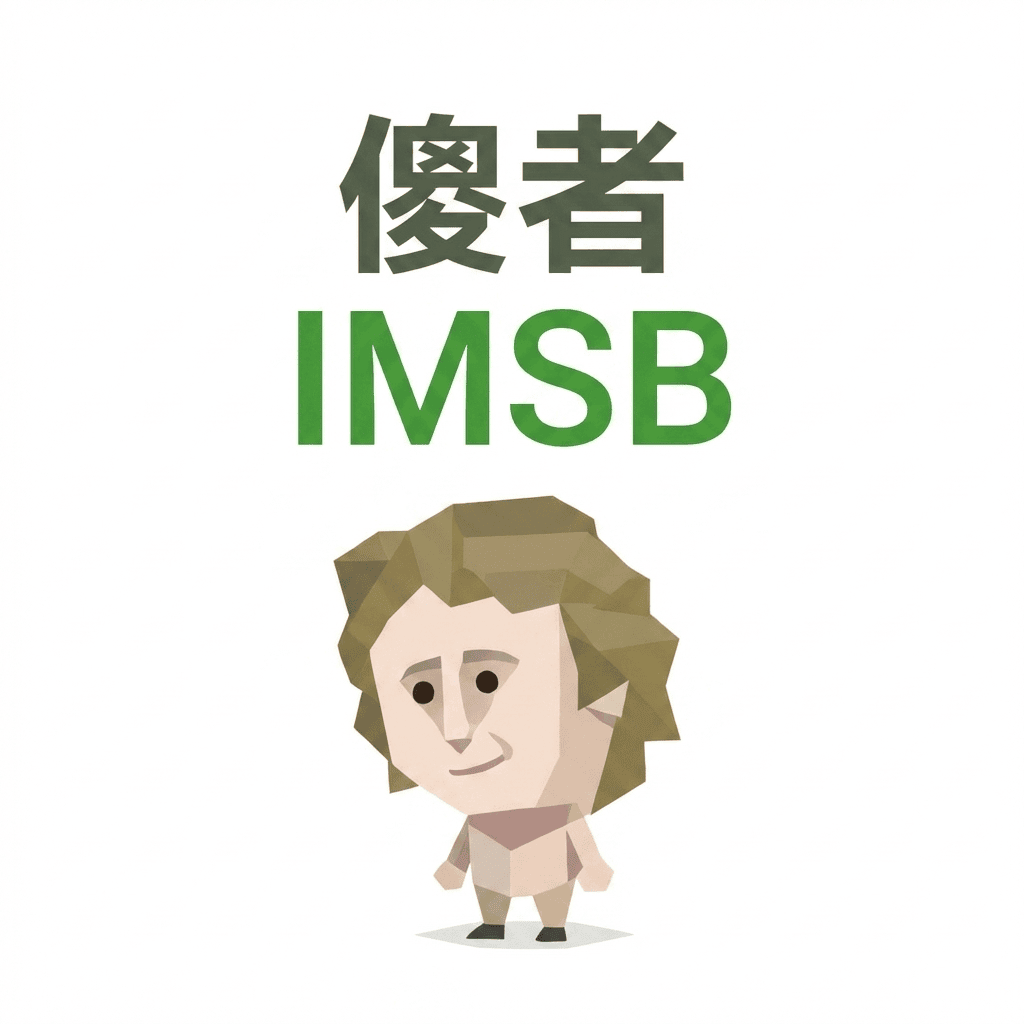
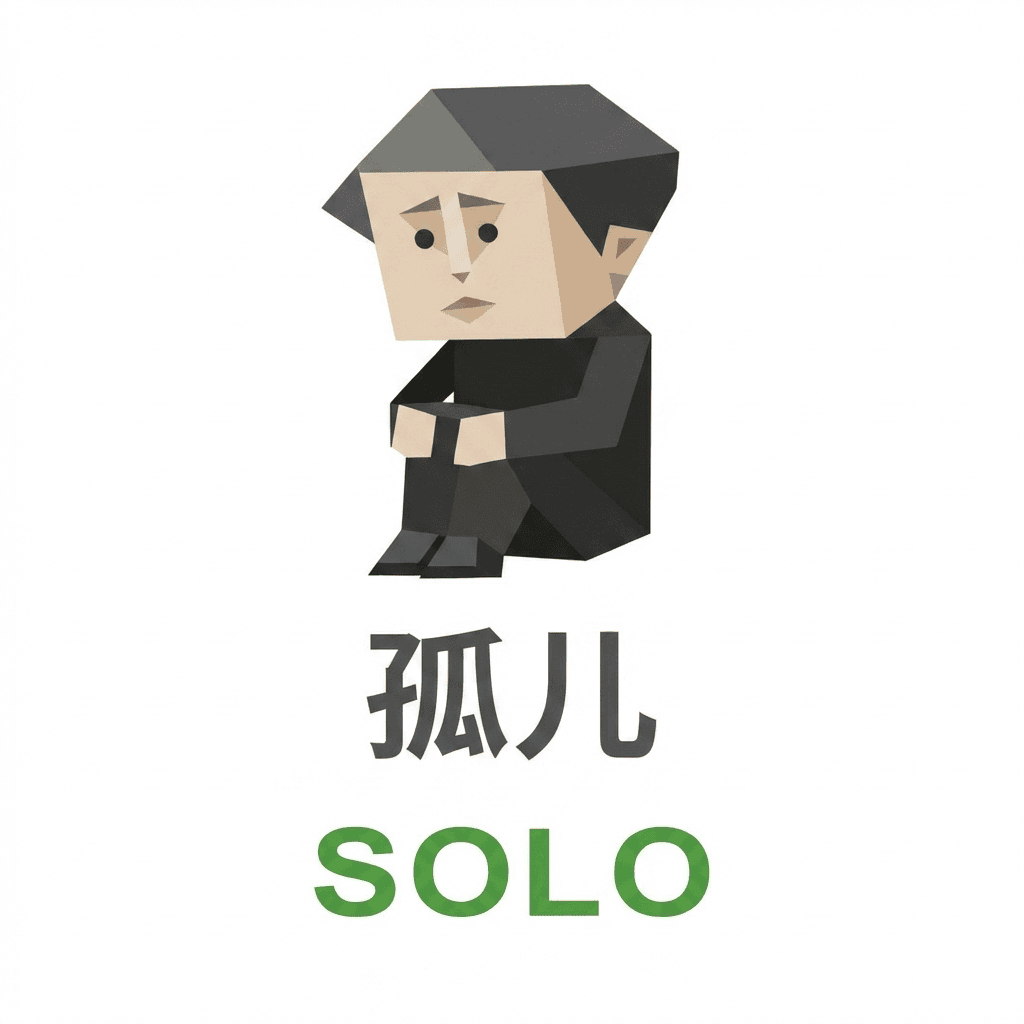
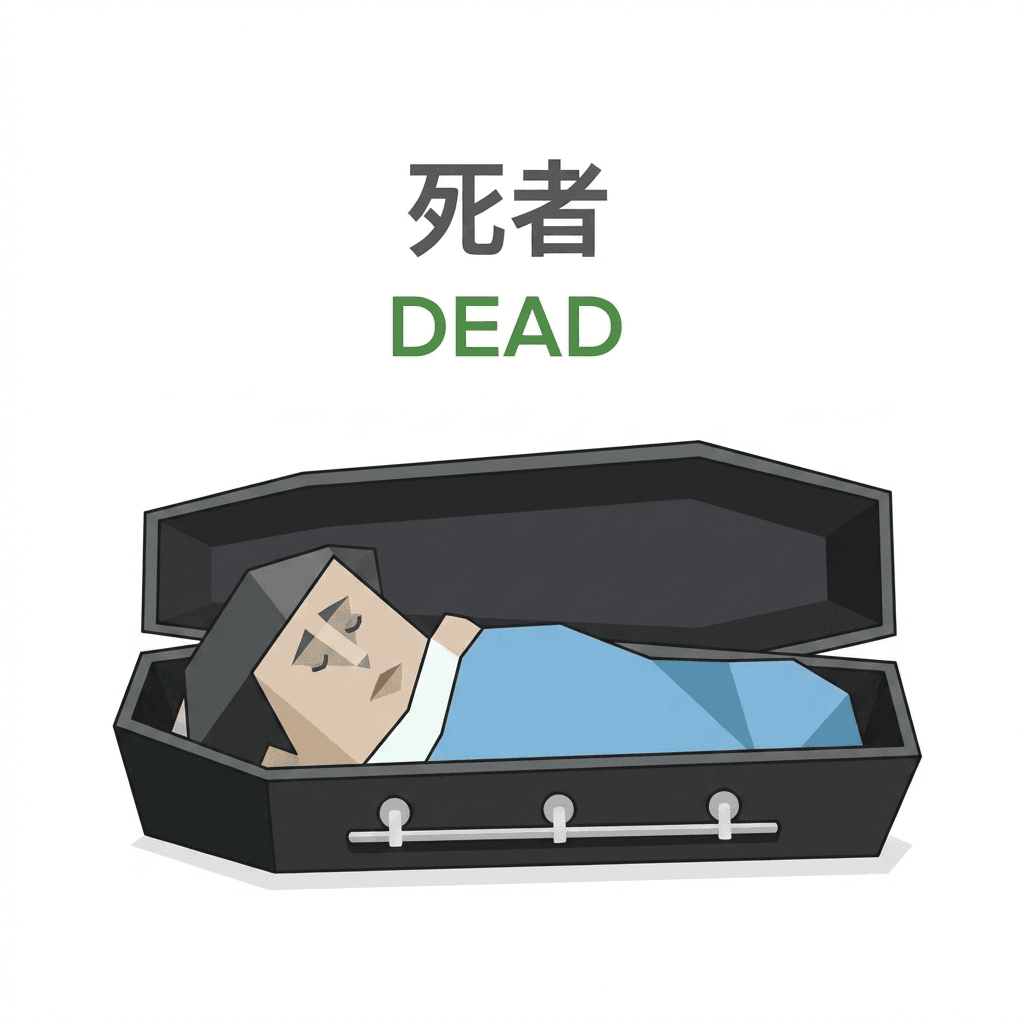
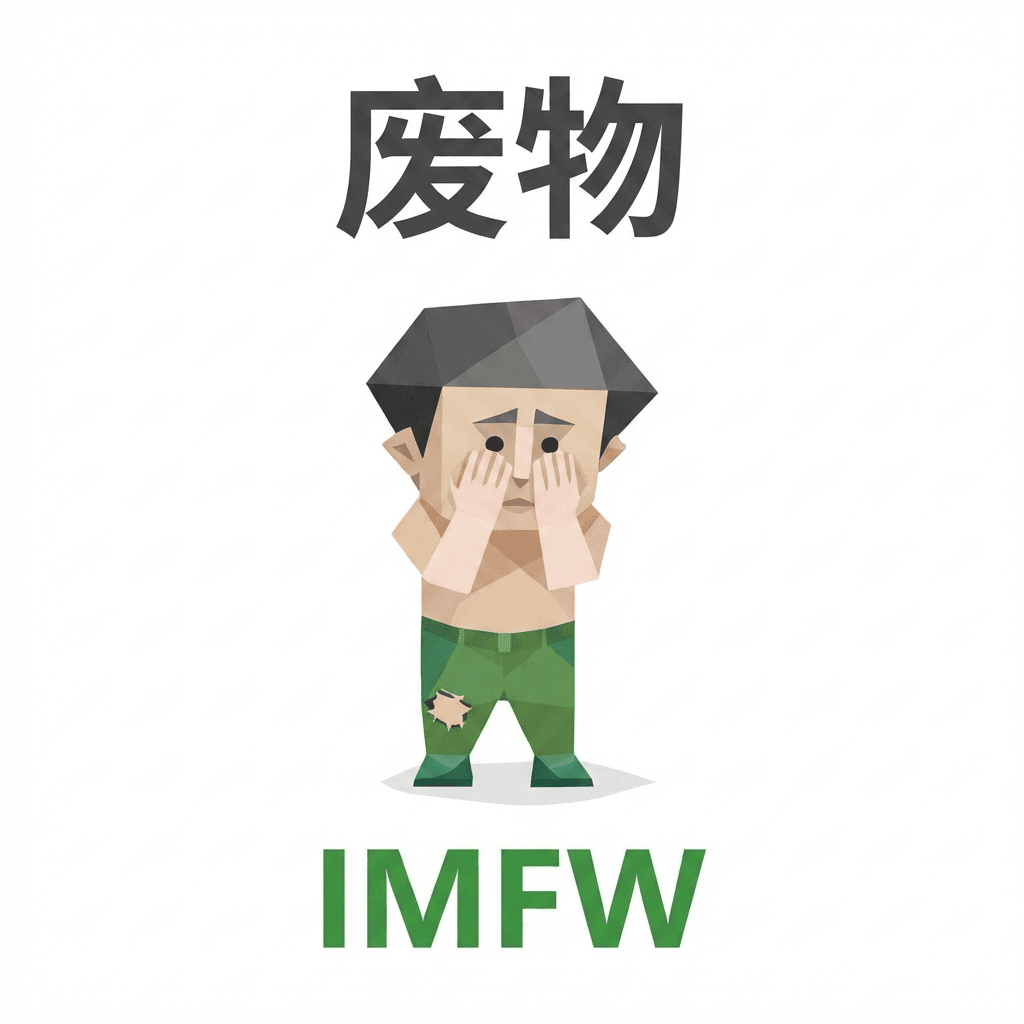
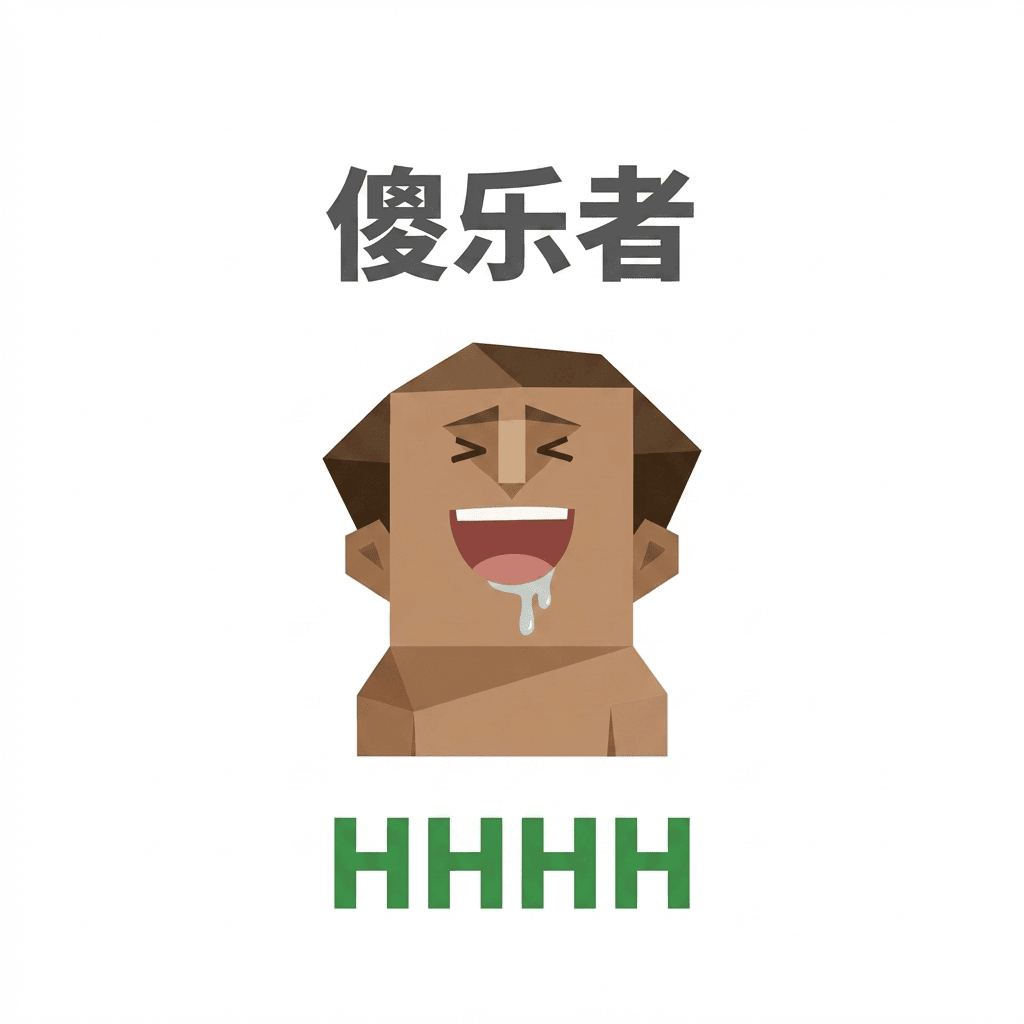
Rare typesIMFWarchetypePOORarchetypeDEADarchetypeDRUNKarchetypeHHHHarchetype

SBTI direct answer

What is the SBTI Test?

SBTI is a structured self-report personality test. It uses 30 core questions to score 15 dimensions, then matches the pattern to 27 character archetypes.

The result is designed to be readable and shareable: a character card, type code, prototype distance, share code, Big Five-informed preview, and a deeper report hook.

SBTI is not an official MBTI, IPIP, BFI, NEO, clinical, hiring, or school assessment. It is a self-report interpretation layer with clear limits.

Evidence at a glance

30 core questions
15 scored dimensions
27 character archetypes
OCEAN Big Five-informed explanation layer
Self model

S1 / S2 / S3

Identity signal, self-worth, and control boundary.

Emotion model

E1 / E2 / E3

Emotional depth, expression, and pressure response.

Action model

A1 / A2 / A3

Drive, risk preference, and closure pressure.

Attention model

Ac1 / Ac2 / Ac3

Detail lock, pattern speed, and noise filtering.

Social model

So1 / So2 / So3

Social gravity, performance need, and relationship stickiness.

How it scores

How answers become a personality result

1Answer 30 questions

Each item contributes to a dimension; one answer does not decide the type alone.

2Build 15 dimension scores

Two items form each dimension, then the score is compressed into L / M / H.

3Compare prototype distance

The 15-dimension pattern is compared against 27 type templates.

4Generate report hooks

The result shows closest type, runner-up, OCEAN preview, and locked deep-report sections.

Result reading

How to analyze an SBTI result

1Read the character first

The character card is the memorable summary. It should make the type easy to recognize and share.

2Check why it matched

Prototype distance, runner-up contrast, and 15 dimensions explain why this type won over nearby types.

3Use life-context sections

Love, friendship, work, and growth sections translate the dimension pattern into practical interpretation without treating it as diagnosis.

27 archetypes

The 27 SBTI types are not random labels

Each type has a fixed 15-dimension template, character image, and report framing. The funny names are the shareable layer; the matching still comes from dimension distance.

Why

Why take SBTI?

Many personality tests stop at a label. SBTI is designed to show why the label happened: what dimensions pulled you toward this character, where the runner-up differs, and what that implies in relationships, work, friendships, and future choices.

Big Five

How SBTI uses Big Five

SBTI handles the archetype and character card. The Big Five-informed OCEAN layer explains tendencies such as Openness, Conscientiousness, Extraversion, Agreeableness, and Neuroticism. It is not an official Big Five instrument.

Report

What the full report should unlock

The free result should keep curiosity high without dumping everything. A full report can unlock prototype distance, 15-dimension evidence, OCEAN tension, runner-up contrast, love, friendship, work, future direction, and growth prompts.

Privacy

Privacy and local calculation

The current test calculates in the browser and does not require registration. Share codes should not contain real identity or sensitive personal information.

SBTI vs MBTI

How is SBTI different from MBTI?

Result format27 character archetypes + 15 dimensionsFour preference pairs
Sharing layerCharacter art, code, meme-friendly label, share codeType letters and explanations
InterpretationSBTI archetype + Big Five-informed OCEANPreference-dimension interpretation
LimitsEntertainment self-report, not clinical or hiring useAlso should not be overused for serious decisions

Featured types

Why do results like CTRL, BOSS, or DRUNK exist?

FAQ

FAQ

Are SBTI questions random?

No. The core test uses 30 fixed questions across 15 dimensions, with one visible gate and an optional hidden trigger.

What does prototype distance mean?

Lower distance means your 15-dimension L/M/H pattern is closer to a type template. Higher distance means you should read runner-up and dimension evidence carefully.

Why does the report discuss love, friendship, and work?

Those sections translate self, emotion, action, attention, and social dimensions into practical life contexts. They are interpretation, not diagnosis.

Can SBTI be used as a formal psychological test?

No. It is for self-reflection and social discussion, not medical, hiring, school, or high-stakes decisions.